Ask ten people what makes a recording "the best" and half will say vintage analog tape and a famous room. They are answering a question from 1975. The tools changed, the bar moved, and the thing that actually separates a great modern recording from an amateur one is not what most people think. I run Red Mile Records in Calgary, and after years of tracking and mixing for independent and signed artists, here is my honest breakdown of what makes a recording great today.
First, retire the tape argument. Digital emulations of tape machines, consoles, and outboard gear have gotten so accurate that engineers who have used the real hardware for decades cannot reliably pick them out in a blind test. Real tape is also slow, expensive, and fragile, and it stalls the creative momentum that actually produces great takes. The magic was never the tape. So where does it live?
1. A room that tells you the truth
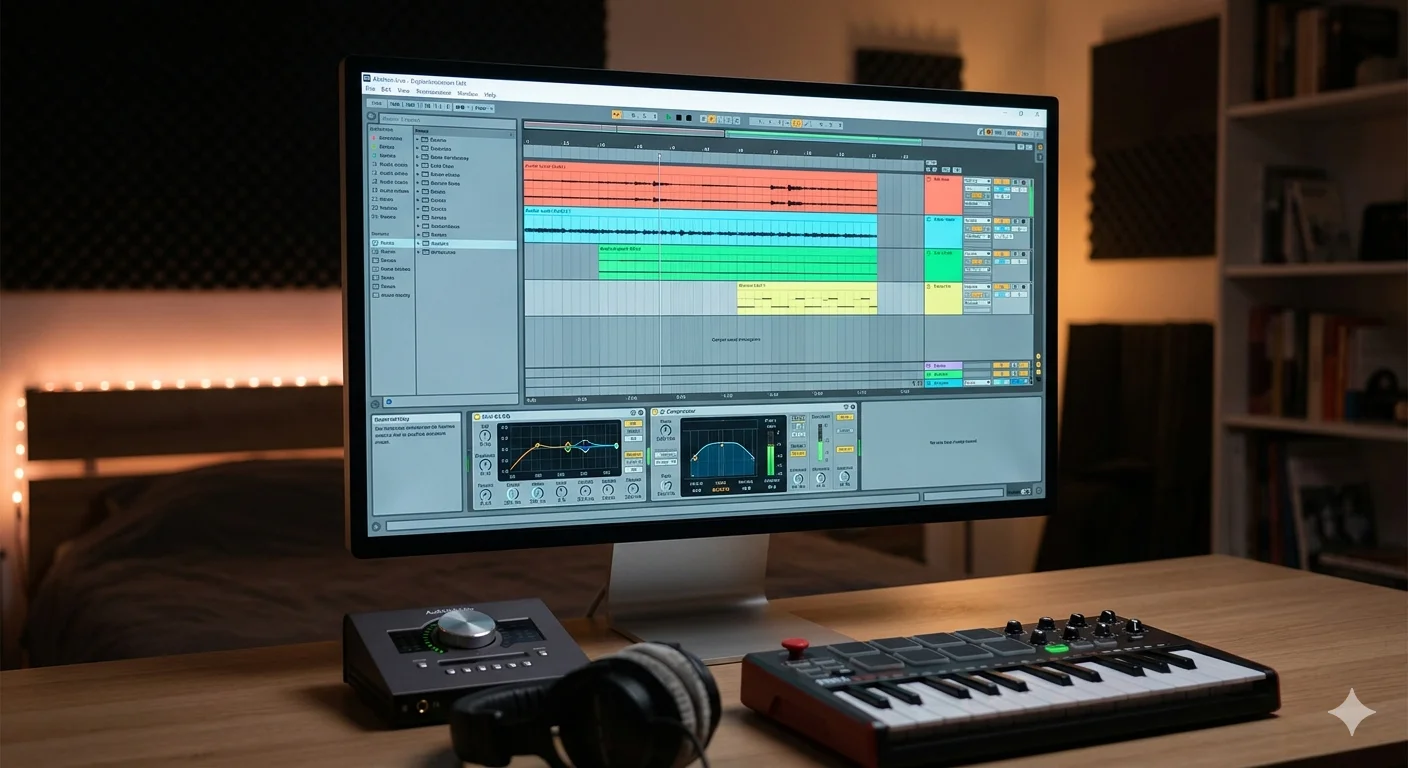
This is the foundation, and it is the one home setups cannot fake. An untreated room lies to you. Parallel walls and small dimensions create standing waves and frequency buildups, so you mix to compensate for problems that only exist in your room, and the track falls apart everywhere else. A properly treated space (corner bass traps, first-reflection absorption, a ceiling cloud over the listening position) captures the true tone of a voice or instrument and lets you make decisions that translate to every speaker on earth. Get the room right and you save hours of corrective work later. Get it wrong and no gear saves you.
2. A signal chain with headroom and detail
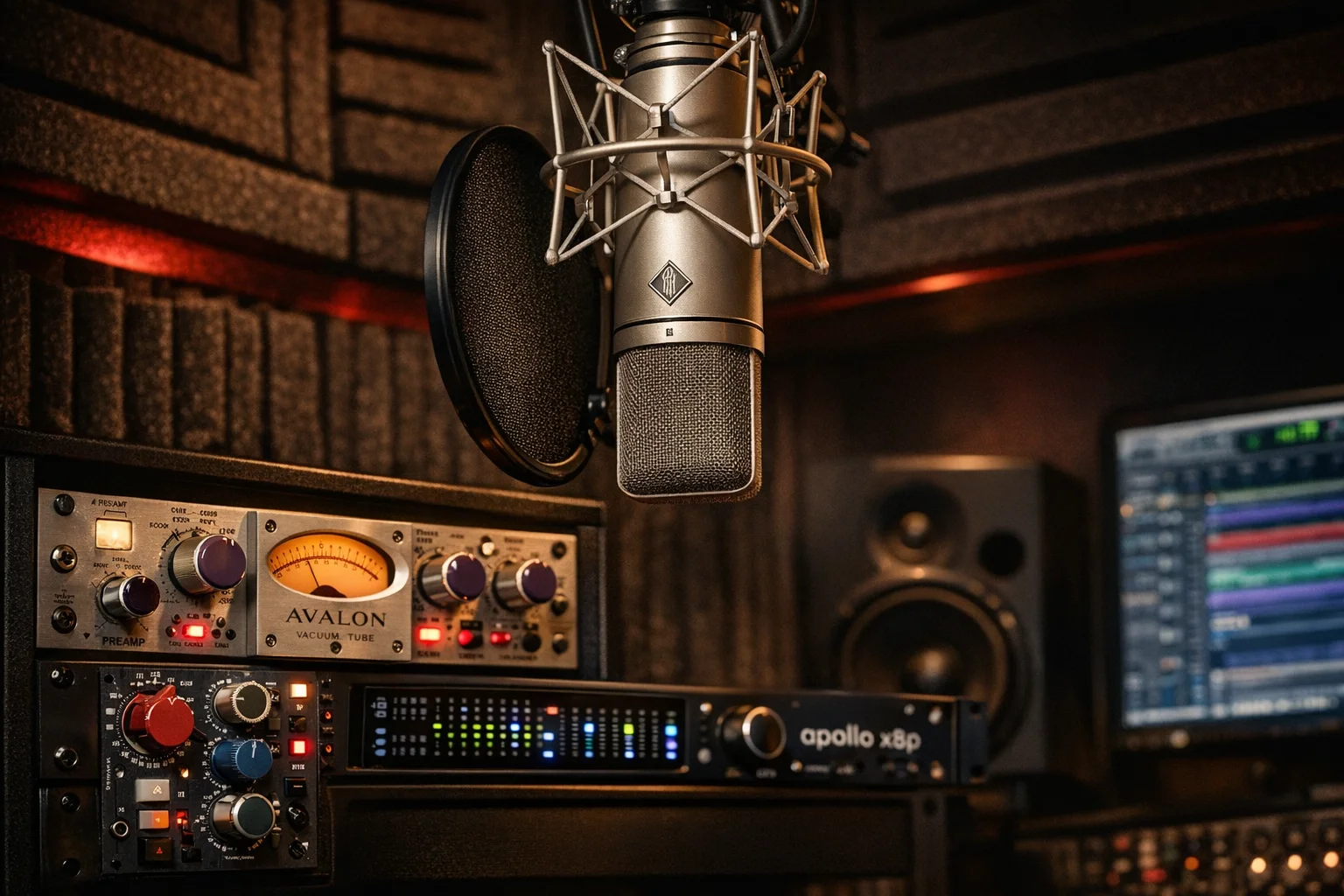
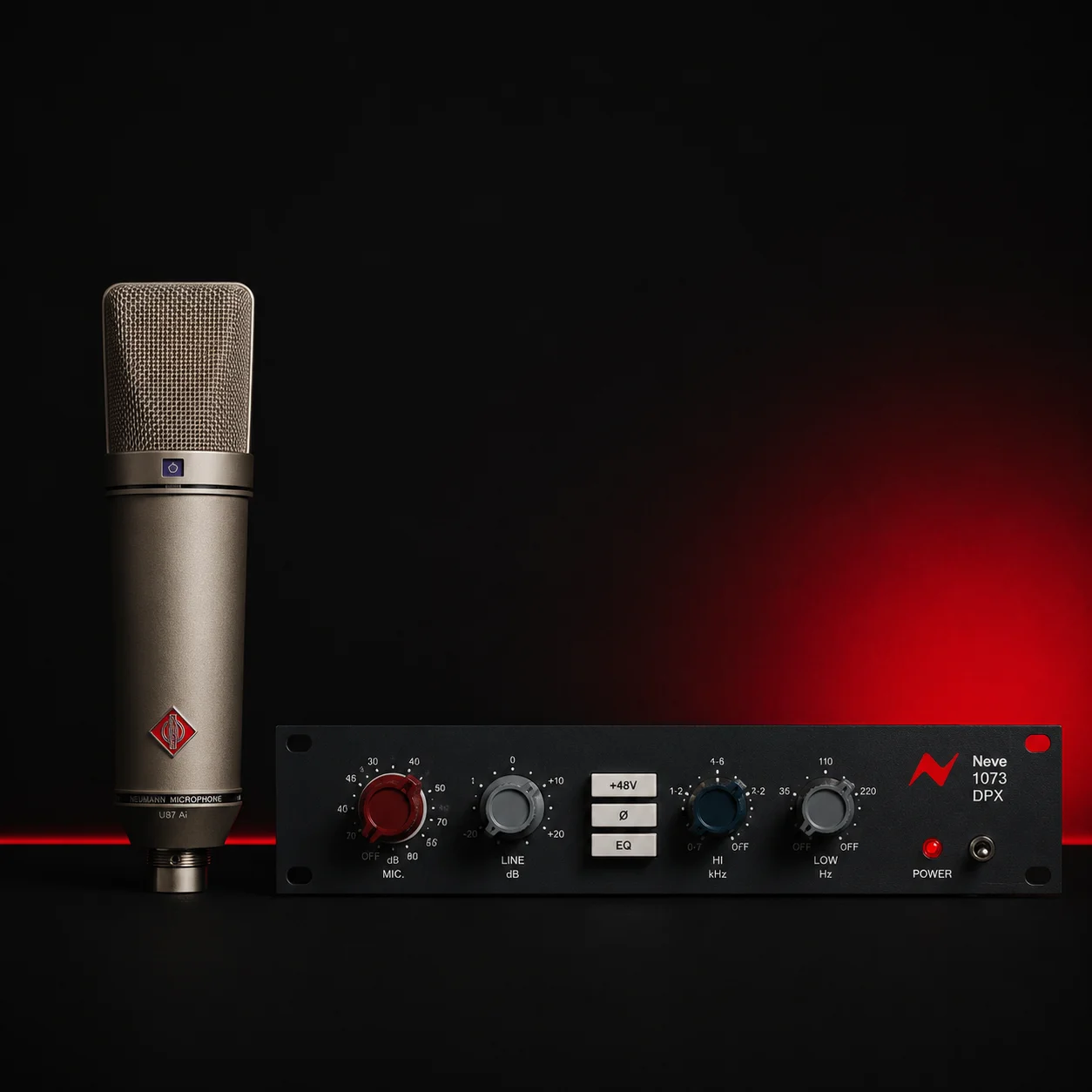
The analog-versus-digital fight is over. The answer is hybrid: premium hardware where it counts, digital flexibility everywhere else. What matters is the quality of the capture chain, because everything downstream inherits it. Our vocal chain runs a Neumann U87 Ai or TLM 103 into a Neve 1073LB or Avalon 737SP preamp and a Universal Audio Apollo X6 converter. That chain grabs detail, depth, and transient response that consumer gear flattens. A recording with that much information in it survives aggressive mixing and a loud, competitive master. A thin capture does not.
3. An engineer who captures the performance
This is the part the gear obsessives miss. Specs and expensive hardware mean nothing without a take that moves people, and the take is the engineer's job as much as the artist's. A great engineer is not a button-pusher. They set a comfortable, focused vibe, they make fast technical calls so the artist never falls out of the zone, and they know when to push for one more pass and when the magic already happened. When an artist feels supported, they perform better, and a better performance beats better gear every single time. We dig into the recording-stage decisions in our bedroom-to-pro breakdown.
4. A mix and master built for how people actually listen
A recording that sounds incredible in the tracking room still fails if it is not mixed and mastered for streaming. Spotify, Apple Music, and YouTube all normalize playback, so the master has to manage dynamics and competitive loudness or it plays back thin next to a major-label track on the same playlist. This is a craft of its own, and we cover the technical side in our guide to professional loudness and why it matters in this piece on mixing and mastering for Spotify.
5. Quality you can actually afford
For decades, a world-class room and chain meant a daily rate that priced out independent artists. That barrier is gone. The metric for "best" now includes access. The best studio experience pairs elite sound with a rate that keeps an independent budget intact, so the quality of your record is decided by the work, not by how deep your pockets are. Our sessions start at $75 per hour for exactly that reason.
So what is the "best" recording today?
It is a true performance, captured cleanly in a room that does not lie, through a chain with detail to spare, guided by an engineer who got the best out of you, and finished for the way people actually listen. Tape nostalgia is optional. Those five things are not. If you want to see how Calgary's studios stack up against these criteria, start with our guide to the best recording studio in Calgary.
About the author: Matthew Redenbach is the owner and engineer at Red Mile Records, a professional recording, mixing, and mastering studio at 1865 17 Ave SW in Calgary's Beltline. He has tracked and mixed for Calgary and national artists including Matthew Douglas, JRDN, and Jhrted.
Frequently asked questions
Is analog tape still better than digital recording?
For almost every modern release, no. Digital emulations of tape and analog hardware are accurate enough that experienced engineers cannot reliably tell them apart in blind tests, and digital workflows keep creative momentum that tape interrupts. The quality of a recording comes from the room, the capture chain, the engineer, and the performance, not the format.
What matters most for a great recording?
The room comes first, because an untreated space prints problems into the file that no plugin removes. After that it is the capture chain, the engineer guiding the performance, and a mix and master built for streaming. Expensive gear in a bad room still sounds bad.
Do I need an expensive studio to get a professional sound?
Not anymore. Access to treated rooms and pro signal chains has opened up, and the best studios now pair elite sound with rates that fit independent budgets. At Red Mile Records, sessions start at $75 per hour.
Why does my recording sound different on every speaker?
Usually the room you recorded or mixed in. An untreated space creates frequency buildups that trick you into balancing the track wrong, so it falls apart on other systems. A treated room and accurate monitoring give you decisions that translate from phone speakers to car systems to studio monitors.